FDM vs Resin for 3D Terrain: Which is Better?
Quick Summary
For most 3D terrain projects, FDM is the better choice due to its large build volumes (up to 400mm), lower costs, and natural layer textures that actually enhance topographic features. Resin printing excels only when you need ultra-fine architectural details or smooth surfaces, but its small build size (around 200mm) makes it impractical for landscapes. Choose FDM for large-scale terrain maps and educational models, or resin for detailed cityscapes and museum-quality miniatures.
📘 Table of Contents
1. Understanding the Basics
When deciding between FDM and resin 3D printing for terrain or cityscape models, it’s critical to understand the core mechanics behind each process. While both technologies are widely used in the 3D printing space, they serve different purposes based on the desired resolution, size, and workflow.
1.1 What is FDM 3D Printing?
Fused Deposition Modeling (FDM) uses a heated nozzle to extrude thermoplastic filament layer by layer to build a model. It’s the most common form of 3D printing due to its scalability, affordability, and accessibility. For terrain models, especially those covering large areas like mountain ranges or cityscapes, FDM is often the preferred method due to its build volume and low cost per cubic centimeter.
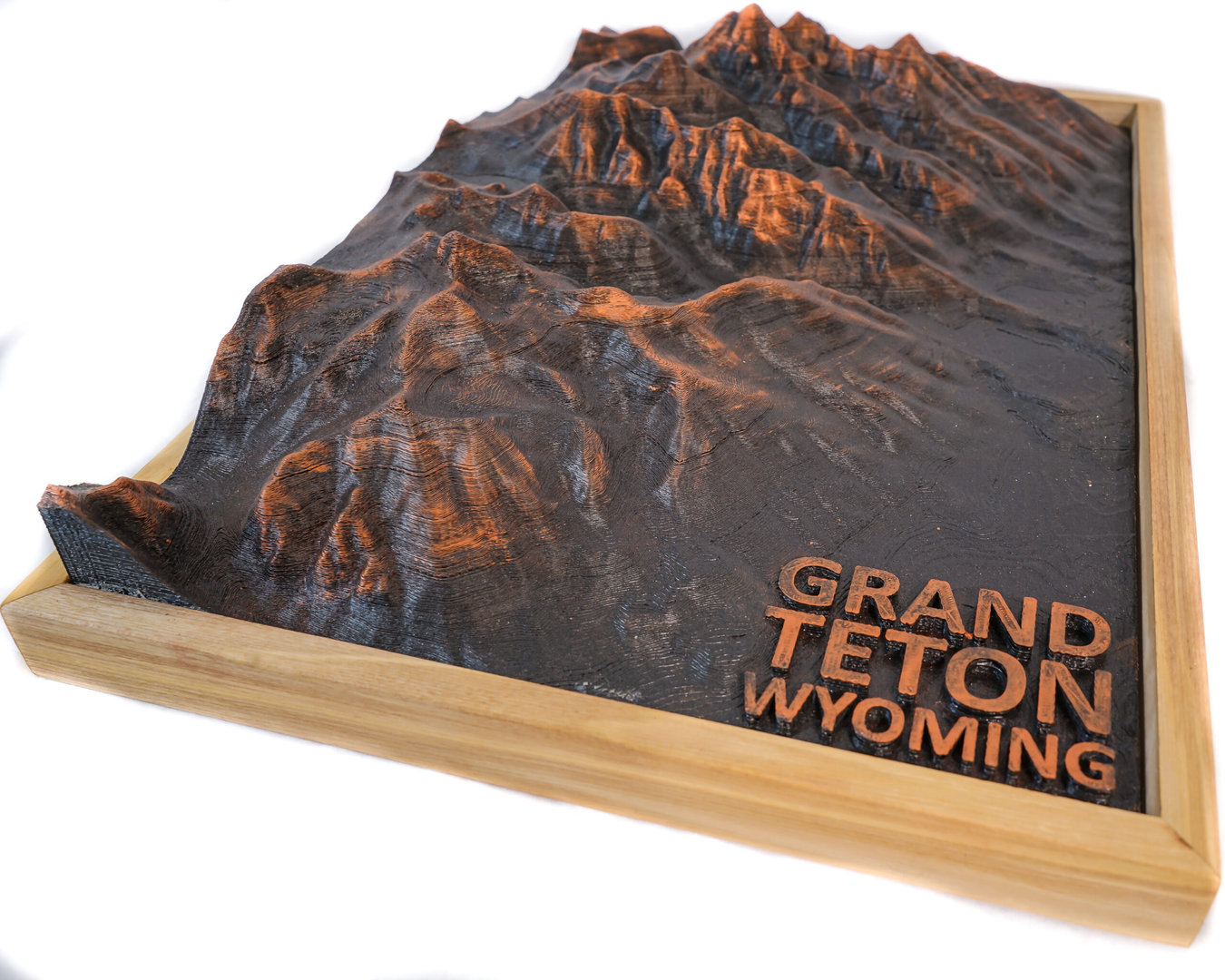
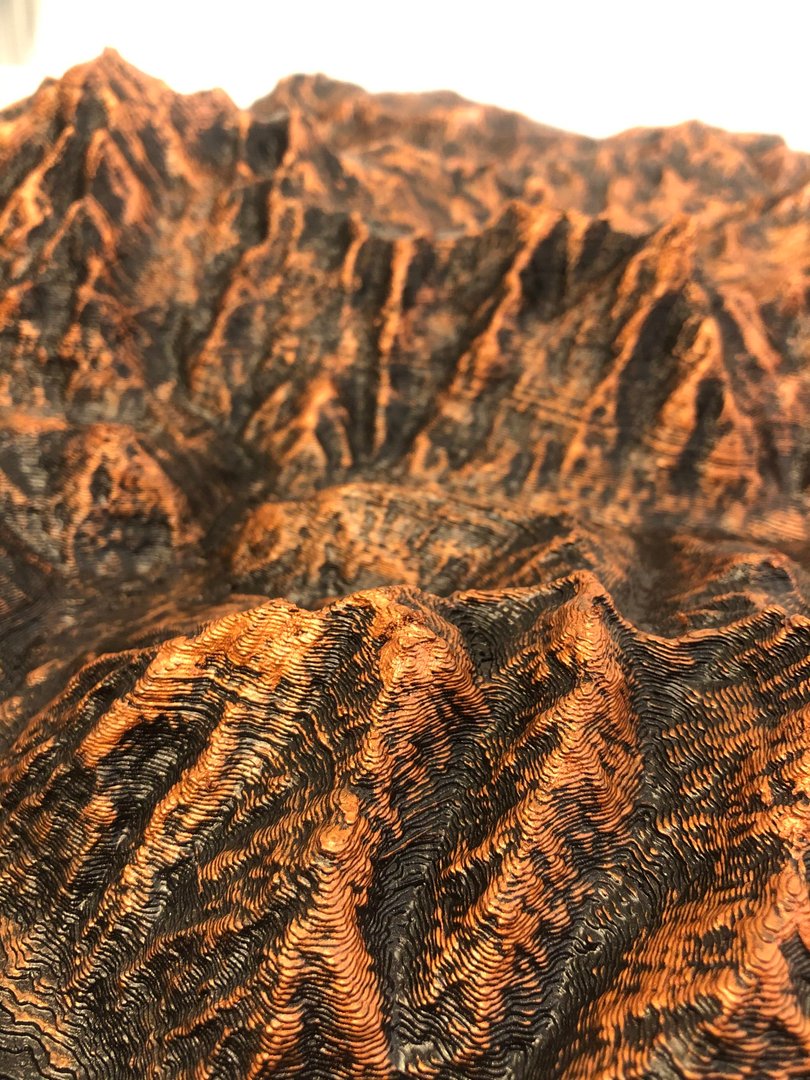
FDM offers a layer height typically between 0.1 mm and 0.3 mm, which is sufficient for most terrain printing unless you’re producing models for high-end architectural display. The rougher surface texture caused by layer lines can actually help accentuate terrain ridges and elevation, although fine surface features (like small rivers or building outlines) may get lost.
1.2 What is Resin 3D Printing?
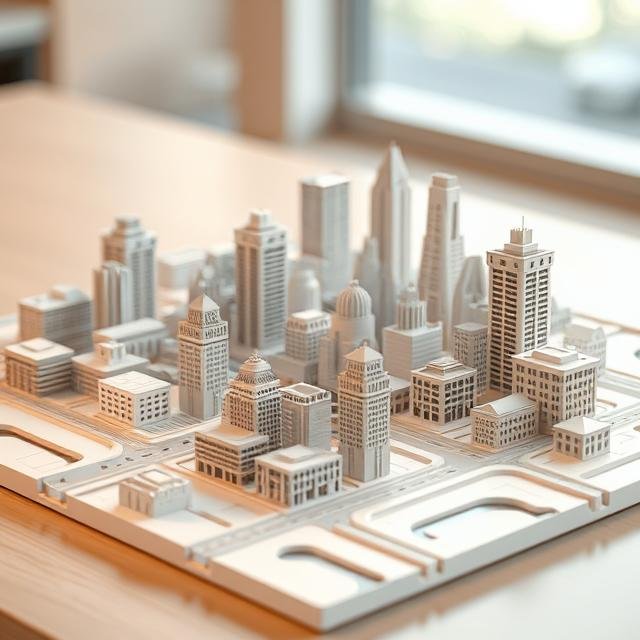
Resin printing, typically via SLA (Stereolithography) or MSLA (Masked Stereolithography), uses a light source (laser or LCD screen) to selectively cure liquid photopolymer resin one layer at a time. It excels in surface detail and resolution, with layer heights as low as 0.025 mm. For terrain use, this means the ability to capture subtle variations in elevation, realistic rock textures, or the fine layout of urban grids.
However, resin printers are constrained by their smaller build volumes, typically maxing out at around 130–220 mm on the longest axis for consumer models. This makes full landscape models challenging unless printed in tiles. Resin prints also require extensive post-processing — including isopropyl alcohol rinses and UV curing — which adds time and complexity.

1.3 Key Differences in Technology and Workflow
| Feature | FDM | Resin |
|---|---|---|
| Print Mechanism | Extrudes melted filament | Cures resin with UV light |
| Layer Resolution | 100–300 microns | 25–100 microns |
| Print Volume | Large (200–400mm typical) | Small (100–200mm typical) |
| Surface Finish | Textured with layer lines | Smooth and detailed |
| Post-Processing | Simple (support removal) | Complex (wash and cure) |
| Material Cost | Lower | Higher |
| Model Durability | Tougher and more flexible | Brittle and UV sensitive |
The biggest takeaway is this: FDM excels at scale and durability, while resin dominates in fine detail and finish. Your choice should be guided by the type of terrain or cityscape you’re producing, and how it’s going to be used — whether it’s a large-scale educational relief map or a detailed museum-quality display piece.
2. Print Quality and Detail
In terrain and cityscape printing, surface resolution and visual clarity define how well your model captures the subtleties of real-world geography. FDM and resin printing differ significantly in how they render fine features, which directly impacts the effectiveness of your final piece.
2.1 Layer Resolution and Feature Accuracy
Resin printing delivers exceptional resolution, with most consumer-grade MSLA printers achieving layer heights as low as 25 microns. This precision enables it to reproduce tight contour transitions, fine terrain relief, and intricate architectural details with minimal loss of fidelity.
FDM, while generally limited to layer heights between 100–300 microns, is still capable of producing highly recognizable and functional terrain models — especially for larger-scale prints. Although its lower resolution can soften subtle features like minor erosion channels or building textures, it remains a practical and scalable option for topography with bold elevation changes or large land masses.
2.2 Surface Finish and the Topographic “Contour Line” Effect
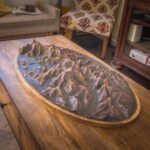
FDM prints are often criticized for visible layer lines, but in the context of topographic and landscape models, these can be a creative advantage. The layering process can naturally mimic contour lines found on traditional topographic maps, creating an appealing stepped elevation effect that enhances readability and adds an element of visual style.
Rather than being a flaw, these layer lines can provide a tactile and interpretive surface texture that improves the educational or decorative value of a print. When printed with translucent or earth-toned PLA, the terrain can take on a stylized yet intuitive look that is especially effective in relief maps and wall displays.
Resin, by contrast, produces an ultra-smooth finish ideal for capturing fine topographic nuances or clean architectural geometry. However, its smoothness can sometimes obscure micro-relief unless lighting is carefully applied, making it better suited for highly detailed but smaller prints.
2.3 Visual Performance in Terrain Applications
| Use Case | Recommended Method | Reasoning |
|---|---|---|
| Large-scale mountain range | FDM | Affordable, scalable, strong layer texture enhances terrain |
| Close-up of city with buildings | Resin | Captures sharp edges and fine surface textures |
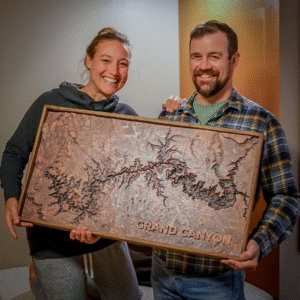
| Wall-mounted relief map | FDM | Large size, layer lines add natural contour look |
| Architectural landscape model | Resin | Precision for structures, landscaping, and roads |
Whether layer lines are a feature or a flaw depends on your goal. If you’re aiming for expressive, textured elevation and readable large-scale terrain, FDM may offer the better visual result. If you’re targeting precision, realism, and miniature fidelity, resin printing delivers unparalleled sharpness.
3. Build Volume and Scalability
When working with 3D terrain models—especially landscapes, topographic regions, or full urban layouts—build volume becomes a critical limiting factor. The physical size of your printer directly impacts how large you can print a model in a single pass and how many parts you’ll need to segment it into. In this area, FDM and resin printing diverge sharply.
3.1 FDM: Large Format, Modular Freedom
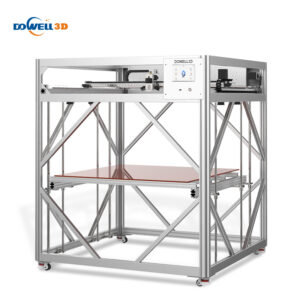
One of FDM’s greatest strengths is its generously sized build volume. Even hobbyist-grade machines regularly offer dimensions around 220 × 220 × 250 mm, and prosumer or “large format” FDM printers—like the Creality CR-10, Anycubic Kobra Max, or Bambu Labs X1C with AMS—can exceed 300 mm on the X/Y axis, making them ideal for:
Wide-area terrain bases, contiguous mountain ranges, and educational models meant for wall or table display.
💡Do you want bigger print volume for cheap?
Check out our guide Best Large Format 3D Printers for CHEAP 2025.
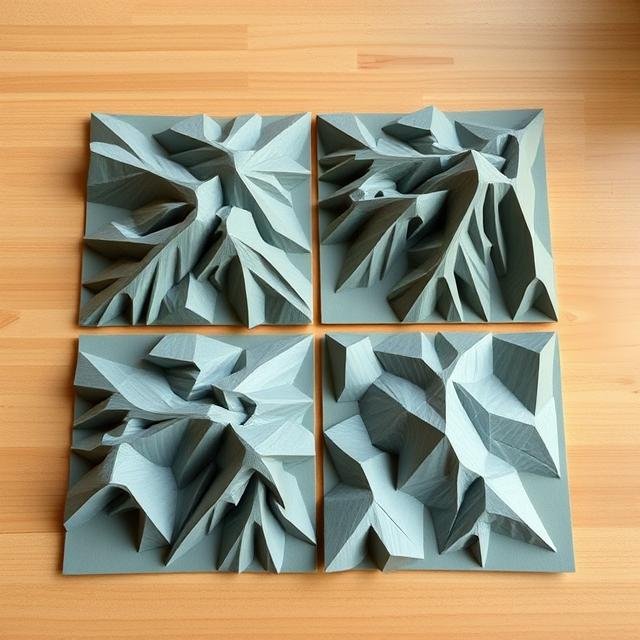
More importantly, FDM models are easier to tile and assemble into large, modular displays. Terrain can be sliced into a grid of manageable tiles, printed at scale, and then joined to form massive relief maps with minimal loss of continuity.
3.2 Resin: Detail Comes at a Cost
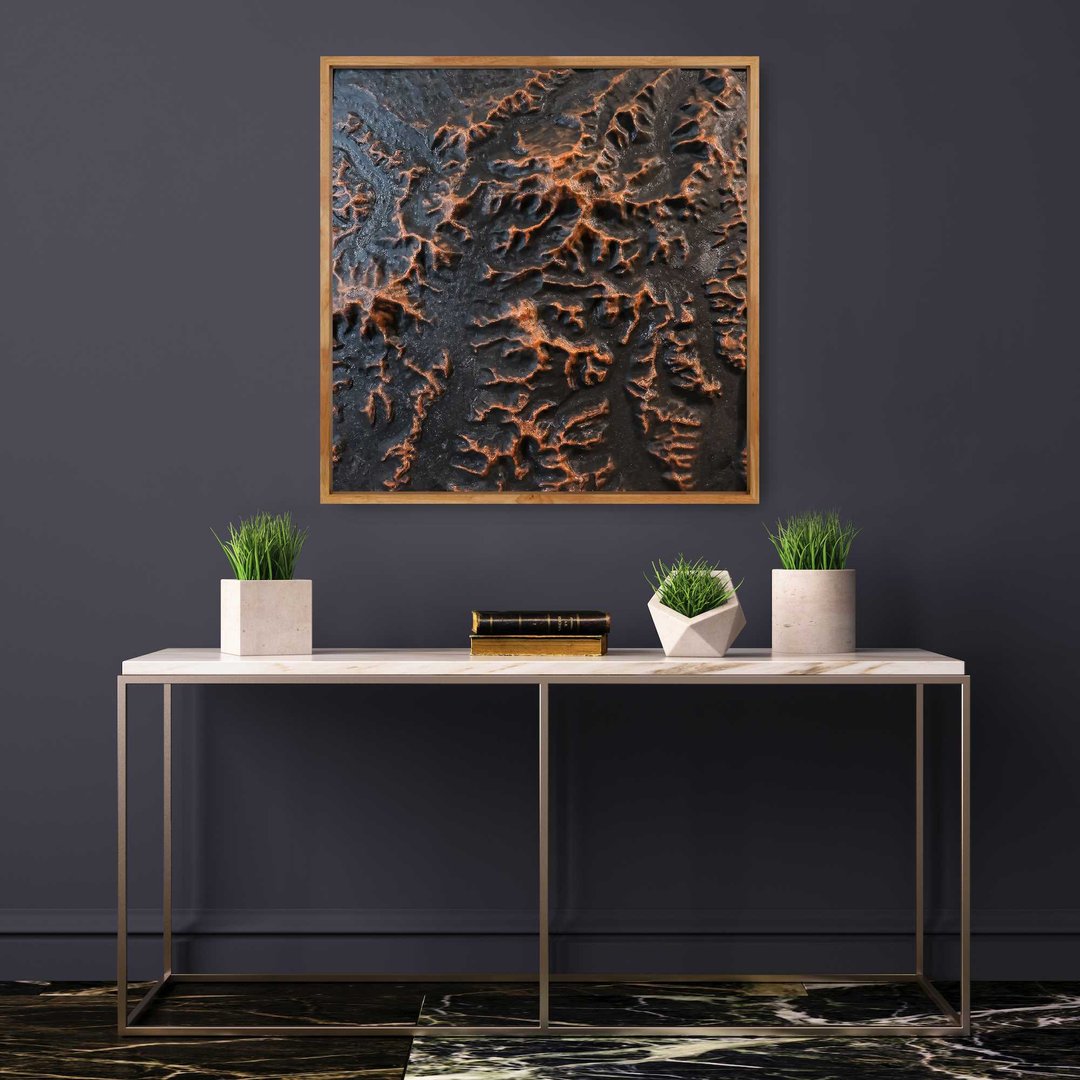
In contrast, resin printers—even at the consumer prosumer level—are tightly constrained by smaller build volumes, often ranging from 120 × 68 × 150 mm to 220 × 130 × 250 mm. This makes resin a poor choice for large terrain sections, unless you’re:
Printing in small, modular tiles, working with micro-topography (e.g. building-scale city maps), or creating hero sections within a larger map.
Attempting to build a complete landscape using resin printing alone is not practical due to the high number of pieces, increased post-processing, and the sheer amount of resin required.
3.3 Tiling and Assembly Considerations
Both methods benefit from terrain tiling workflows, but the efficiency of FDM makes it more suitable for bulk terrain printing. STL tiling tools such as TouchTerrain, Terrain2STL, or custom GIS pipelines allow models to be broken into printable blocks.
However, resin’s superior resolution makes it ideal for inset or layered tiles, such as downtown cores inside a broader city map, summit peaks or trail markers in a mountainous region, or high-resolution inlays for museums or exhibitions.
In other words: FDM prints the landscape, and resin prints the details.
Summary: Build Volume Comparison
FDM Printing: Typical build volume 220–400mm wide, best for large-scale terrain and tiled maps, easy assembly and high scalability.
Resin Printing: Typical build volume 120–220mm wide, best for small tiles and ultra-detailed sections, more difficult alignment with brittle pieces, limited scalability without significant effort.
4. Cost Considerations
The cost of producing terrain and cityscape models varies widely depending on the printing method. While both FDM and resin printing have upfront and ongoing expenses, their economic profiles differ dramatically in material pricing, waste efficiency, hardware maintenance, and scaling for large projects.
4.1 Material Costs: PLA vs Resin
FDM filament, especially PLA, is among the most affordable materials for 3D printing. A standard 1kg spool of PLA costs between $18–$30 USD, and can produce multiple large-scale terrain tiles. Its low waste, long shelf life, and ease of storage make it cost-efficient and predictable for batch production.
Resin, on the other hand, typically costs $35–$60 USD per liter, with higher-end brands or specialty resins reaching over $100. A liter may be depleted after only a few small tiles or urban sections, especially if the print requires significant supports. Additionally, resin tends to have a shorter shelf life, requires UV-safe storage, and must be used in well-ventilated, temperature-stable environments.
| Material | Approximate Cost | Terrain Coverage (Est.) |
|---|---|---|
| PLA (1kg) | $20–$30 | 6–10 medium terrain tiles |
| Resin (1L) | $40–$70 | 2–4 small urban tiles |
4.2 Machine Operating Costs and Maintenance
FDM printers tend to have lower long-term operating costs. Nozzles and extruders may wear over time, but replacement parts are inexpensive and maintenance is straightforward. Power consumption is also low — typically around 60–120W/hour — even for large machines.
Resin printers, while less mechanically complex, incur hidden costs in the form of consumables:
Resin vat film (FEP or ACF) replacements every 1–2 liters, isopropyl alcohol or wash solvents, gloves, filters, paper towels, and UV curing equipment, and higher energy usage during cure cycles.
Additionally, failed resin prints can waste large amounts of material and require painstaking cleanup, while FDM failures are often caught early and produce less waste.
4.3 Scaling Up: Budgeting for Large Terrain Projects
When scaling to a full terrain project — such as a multi-panel wall map or complete regional city model — FDM becomes dramatically more cost-effective. You can plan around build volume, optimize tiling, and print at scale with predictable material usage.
Resin excels only when printing select insets or detail layers, where its cost is justified by the required resolution. Using resin exclusively for large terrain coverage quickly becomes cost-prohibitive in both materials and post-processing labor.
Summary: Cost Comparison
Material Cost: FDM (PLA) $20–$30 per kg vs Resin $40–$70+ per liter
Terrain Coverage: FDM covers 6–10 tiles/kg vs Resin 2–4 tiles/L
Post-Processing: FDM minimal vs Resin high (IPA, gloves, UV cure)
Scalability: FDM excellent vs Resin limited for terrain
5. Durability and Handling
In terrain printing—especially for models that will be transported, displayed publicly, or mounted in multi-panel installations—mechanical strength, impact resistance, and ease of handling become major concerns. FDM and resin prints differ greatly in their material behavior, both during printing and in long-term use.
5.1 Mechanical Strength
FDM models, printed in PLA, PETG, or ABS, are generally stronger and more impact-resistant than resin models. This is especially true for large-format terrain prints, which often need to be handled during assembly or moved between locations. Even basic PLA provides enough structural integrity for models that are mounted on walls, displayed on tables, handled by students or museum staff, or shipped in bulk or installed outdoors (with UV protection).
PETG and ABS offer even more durability, including better heat resistance and less brittleness, making FDM the preferred choice for rugged or semi-outdoor installations.
Resin prints, while far more detailed, are typically brittle—especially standard photopolymer resins. Thin edges, elevation ridges, and architectural features can snap under light pressure or vibration. Even “tough” resins remain more fragile than most FDM materials, and sharp impacts can cause cracking or chipping.
5.2 Tolerances, Warping, and Deformation
FDM prints can suffer from minor warping, especially in large, flat terrain tiles or when printed on an improperly leveled bed. However, once printed, the material is dimensionally stable and tolerant of slight abuse.
Resin prints tend to be dimensionally accurate, but over time they can warp slightly due to ongoing UV exposure, especially if not fully cured. Thin surfaces may bow or distort—making tight tile alignment or large map paneling difficult without reinforcement or mounting.
5.3 Finishing and Paint Adhesion
FDM models are typically easier to sand and prime due to their rigidity and surface texture. They accept primer, paint, and adhesives with no additional prep. Layer lines—even when visible—can actually help paint grip and create natural shading.
Resin models require more prep. They must be fully washed, dried, and cured before painting. The surface may need to be lightly abraded for primer adhesion, and uncured resin residue can interfere with paint durability if not cleaned properly.
| Factor | FDM (PLA/PETG) | Resin (Standard/Tough) |
|---|---|---|
| Impact Resistance | High – handles rough use well | Low – brittle, especially for fine edges |
| Warping & Deformation | Minor warping; very stable post-print | Low warping, but long-term deformation |
| Paint & Adhesive Compatibility | Excellent with minimal prep | Requires full cure and careful cleaning |
| Suitability for Transport | Very good | Requires padding and protection |
| Public Display or Education | Ideal for rugged use | Best for enclosed or static display |
💡Need a new 3d printer?
Check out our guide Buyer’s Guide: Best 3D Printers for Topographic Maps.
6. Conclusion and Recommendations
Both FDM and resin printing have a place in the world of 3D terrain modeling—but their strengths serve very different needs. Choosing the right method depends entirely on the scale, detail, purpose, and handling requirements of your project.
When to Use FDM Printing for Terrain
✅ Best for:
- Large-scale geographic reliefs
- Modular wall maps
- Educational models that will be touched or transported
- Budget-conscious, high-volume terrain tiling
🟢 Why: FDM offers a large build volume, affordable materials, strong durability, and the unique benefit of visible layer lines that resemble real-world topographic contours. It’s highly scalable and suitable for long-term or outdoor installations when the right filament is chosen.
When to Use Resin Printing for Terrain
✅ Best for:
- Small, high-detail inserts like city cores or summit peaks
- Museum or architectural models with fine topography
- Visualizations where micro-detail is critical
- Clean, professional-grade displays
🟢 Why: Resin excels at capturing subtle elevation changes and architectural detail, with smooth surface finish and ultra-fine resolution. While limited in scale, it’s unmatched when you need detail and clarity for close-up viewing.
Final Thoughts
In practice, many serious creators combine both methods: using FDM for the base landscape and resin for select overlays or detailed inserts. This hybrid approach keeps costs manageable while elevating visual fidelity where it matters most.
Before you choose a printing method, ask yourself:
- How large is the model?
- Will it be handled or transported?
- Do you need close-up detail or general terrain structure?
- Is your project budget- or time-sensitive?
By aligning your method with your map’s goals, you can achieve both technical accuracy and visual impact—whether you’re printing a rugged mountain range, an urban cityscape, or an artistic topographic display.
📌 Pro Tip
Start with FDM for early terrain prototypes, and reserve resin for finishing touches or client-ready pieces. This lets you balance speed, cost, and polish.